
Eye, eye!
Common Problems in Dogs and Cats

The eyes are often described as the window to the soul, but they can also be a window into an animal’s health. Eye problems can develop rapidly, and conditions that appear minor in the morning can sometimes threaten sight by the evening. When it comes to eyes especially, if in doubt get it checked out.
The good news is that many mild irritations can be managed safely at home, provided owners know what to look for and recognise the warning signs that require veterinary attention.
This guide explains the most common eye problems seen in dogs and cats, when you should contact your vet, and which natural approaches may help support recovery.
Why Eye Problems Should Never Be Ignored
Unlike skin conditions, digestive upsets and minor lameness, eye diseases can deteriorate very quickly. Corneal ulcers, glaucoma and severe infections can lead to permanent vision loss if treatment is delayed.
A simple rule of thumb is:
If your pet is squinting, appears to have a painful eye, or it has suddenly become cloudy, seek veterinary advice promptly.
Eye symptoms to watch out for
Contact your veterinarian if you notice:
Excessive tearing
Thick yellow or green discharge
Redness of the whites of the eye
Squinting or keeping the eye closed
Rubbing or pawing at the eye
Swelling around the eye
Cloudiness or a blue appearance
A visible injury
Blood in the eye
Sudden vision problems
Unequal pupil sizes
Bulging of the eye
A third eyelid becoming prominent
The more sudden the onset, the more urgent the situation may be.
Common Eye Problems
1. Mild Irritation and Environmental Allergies
Common symptoms include watery eyes. mild redness, and occasional rubbing. Symptoms will typically affect both eyes.
Common causes include pollens (hayfever) and timing will vary as to the time of the year depending on which pollens they may be allergic to.
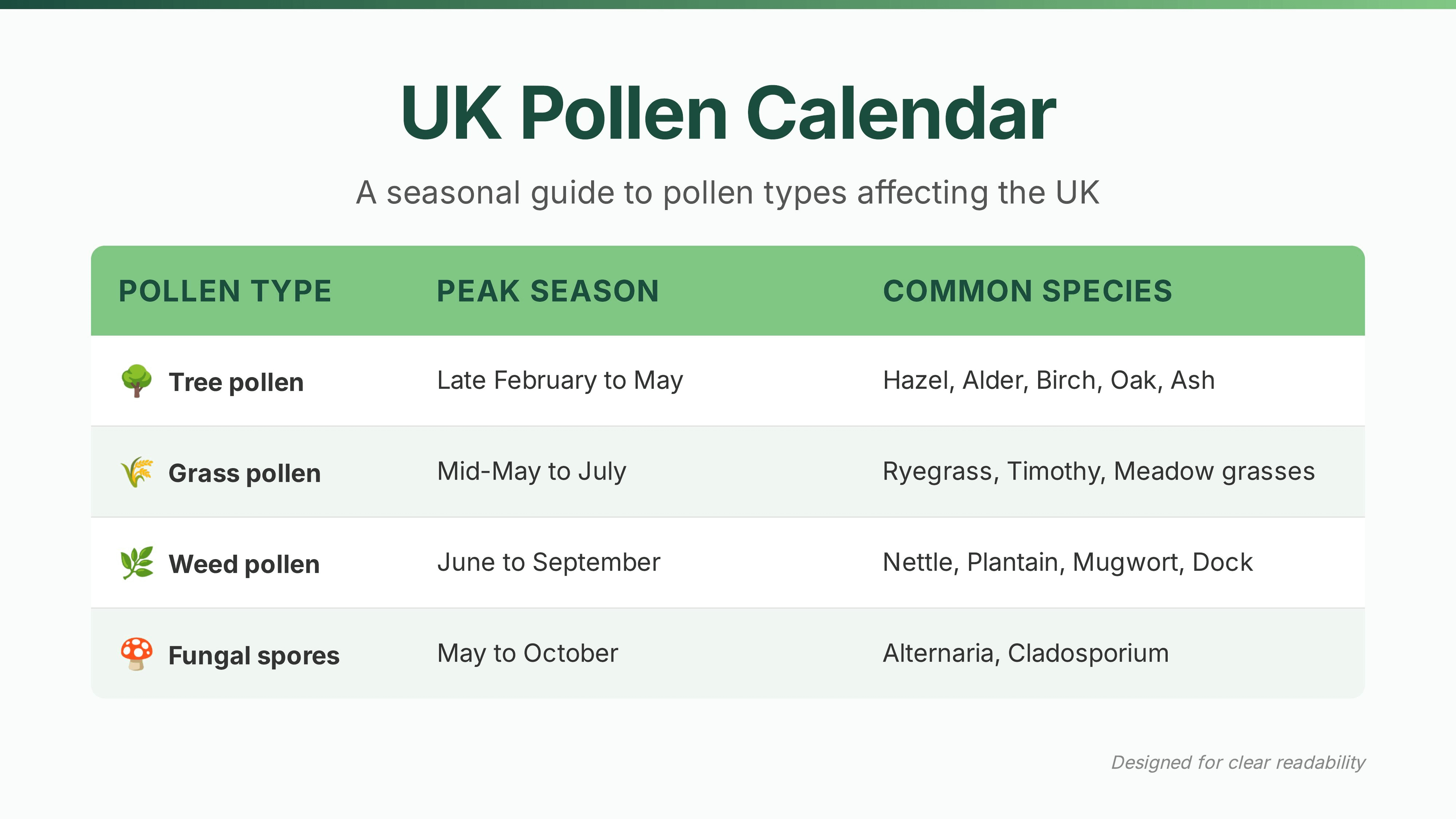
Other causes include dust, smoke, wind, household perfumes and cleaning products.
Owners can usually manage this themselves provided the symptoms are mild and there is no evidence of pain especially.
Sterile saline eye wash can help flush out allergens and debris and a cold compress may reduce irritation and swelling. If you can identify the cause such as plug-in diffuser, then removing it is the best way to stop symptoms. This isn’t possible with pollen so easily. Air ionisers can help reduce the pollen burden inside but usually only in a relatively small space around the ioniser.
There are homeopathic options for hayfever and acupuncture can help too. I have constructed a hayfever remedy that I program into blank homeopathic tablets with my bioresonance kit that has had good feedback over the years.
Othe supportive options that can help reduce inflammation include omega-3 fatty acids (of the right type – see my substack on that, quercetin and herbs.
Medicinal mushrooms are not “anti-histamines” in the direct pharmacological sense, but several species have immunomodulatory and mast-cell–stabilising effects that may reduce the severity of allergic responses over time.
2. Conjunctivitis (”Pink Eye”)
Conjunctivitis is inflammation of the membranes lining the eyelids and eye surface. It may affect one or both eyes.
Common symptoms include red eyes, discharge, swelling. increased blinking and mild discomfort. Allergies and irritants can be a cause, but conjunctivitis is often associated with a mild infection. Individuals with dry eyes that don’t lubricate and flush the eyes sufficiently will be predisposed to conjunctivitis.
Mild cases only can be monitored at home initially but if symptoms persist beyond 24–48 hours or worsen, veterinary examination is advisable.
Owners can provide natural support with sterile saline rinses and warm compresses to soften hardened discharge which might otherwise be difficult to remove. Use gentle cleaning with cooled boiled water and cotton wool. Lucca have a topical probiotic spray that helps break down eye discharge but should not be used directly in the eye.
Given the sensitivity of the eye, products should never be placed directly into the eye unless specifically formulated for ophthalmic use. For example, some herbal extracts can themselves cause irritation, as can some essential oils if placed too close to the eyes.
3. Dry Eye (Keratoconjunctivitis Sicca)
Dry eye occurs when insufficient tears are produced.
Brachycephalic dogs are more prone because many have bulging eyes so have a greater ocular surface area exposure and consequential greater tear evaporation. Some also have nasolacrimal duct distortion which restricts tear drainage from the eyes into the nostrils resulting in chronically weeping eyes that can attract flies in hot weather too.
Symptoms of dry eye include a thick sticky discharge, dull eye appearance, recurrent conjunctivitis with red eyes that they are constantly rubbing. This condition is particularly common in dogs.
Untreated dry eye can lead to corneal damage and vision loss, so it is important to get it vet-checked to make sure there isn’t corneal damage. Treatment is aimed at increasing tear production.
4. Corneal Ulcers
The cornea is the transparent surface at the front of the eye. It is important to vision that it remains transparent. Scratches, foreign bodies, trauma and infection can all potentially lead to ulceration. A corneal ulcer should be considered to be a veterinary emergency and should be seen quickly.
Symptoms include sudden squinting, pain, excessive tears, light sensitivity and may have a cloudy appearance.
Home Treatment should not be attempted as this can rapidly deteriorate if not treated appropriately and promptly. Corneal ulcers aren’t easy to see, and your veterinarian will check by using a dye that stays where the outer corneal surface has been damaged. Because of the nasolacrimal duct you will expect to see the dye appear coming from the nostrils! Where the cornea is healthy the dye just slides off the surface.
Many ulcers heal rapidly when treated appropriately, but delays risk resulting in the rupture of the eye.
Owners can prevent further rubbing by using an Elizabethan collar if available whilst seeking prompt veterinary attention.
5. Foreign Bodies
Grass seeds, thorns, dust, sand and plant material can become trapped beneath the eyelids as a result of rooting around in hedges and undergrowth etc.
Symptoms will usually include sudden onset squinting – usually immediately, so keep your head out of your phone whilst you’re walking your dog and watch what it’s doing. There will likely be excessive tear production, pawing at the eye/face and it will usually be just to one eye.
If you can see a grass seed or you suspect a small amount of dust or grit, then flushing with sterile saline may be enough to rinse it out. If it could be a thorn (you will know this from watching where it occurred) then don’t rub the eye as this could make the situation worse. If having flushed the eye, the symptoms stop then this may be sufficient to resolve the problem, but keep a close eye on the situation in case there are further signs that all is not 100%. If symptoms improve but are still persistent then it is still necessary to get the eye checked in case there is an ulcer or other damage than needs a different veterinary treatment.
6. Cataracts and Nuclear Sclerosis
A cataract is fundamentally an old age-related loss of lens transparency due to structural and biochemical changes in lens proteins, rather than a new material being deposited in the way people sometimes imagine (like crystals or plaques being laid down).
The lens is made primarily of highly ordered structural proteins called crystallins; subdivided by type as α-crystallins, β-crystallins, and γ-crystallins. These proteins normally remain soluble, tightly packed, and precisely arranged, allowing light to pass through with minimal scattering.
With a cataract a number of things can have occurred including protein denaturation where the crystallins lose their native structure as a result of oxidative stress, ageing, diabetes, trauma, or toxins. These denatured crystallins clump together into larger complexes which scatter light and causes the opacity we see. Oxidation causes the crystallin proteins to form abnormal chemical bonds which makes the lens increasingly rigid and opaque.
Some cataracts can be secondary to other health issues such as diabetes, although animals fed their correct species-appropriate diet should not get diabetes.
Cataracts appear as a white or grey appearance within the eye associated with gradual loss of vision that owners may only first notice as difficulty navigating obstacles.
Many owners are alarmed when their older dog’s eyes start to develop a bluish-grey haze and assume cataracts are developing. In fact, one of the most common age-related changes is nuclear sclerosis (also known as lenticular sclerosis), a normal hardening of the lens that typically appears with aging. Although the lens becomes slightly cloudy, light can still pass through it, and most dogs retain good vision. Cataracts, by contrast, eventually lead to significant visual impairment or blindness. Nuclear sclerosis generally requires no treatment beyond routine monitoring and support for overall eye health, whereas cataracts should be assessed by a veterinarian to determine the cause, monitor progression and identify complications such as lens-induced inflammation.
While nutritional support and antioxidant supplements may help maintain ocular health, the only proven treatment for vision-limiting cataracts is surgical removal of the affected lens. Owners should therefore avoid assuming that all cloudy eyes are cataracts; a veterinary examination can usually distinguish between the two conditions and provide a much clearer picture of prognosis.
N-acetylcarnosine is a modified form of carnosine that can penetrate the cornea. Once inside the eye it is converted to L-carnosine, an antioxidant that may help reduce oxidative damage within the lens. Oxidative stress is thought to play a major role in cataract formation.
N-acetylcarnosine eye drops have attracted interest as a potential non-surgical support for cataracts and age-related lens changes. Some preliminary veterinary studies have shown modest improvements in lens clarity, particularly in early cataracts and nuclear sclerosis, but larger controlled trials are lacking. Current evidence suggests they may be worth considering as a supportive measure, particularly when surgery is not an option for whatever reason, but owners should not expect dramatic reversal of established cataracts and NAC drops may only slow down the progression of the disease.
Nutritional support may help overall eye health and help minimise cataract progression. Useful supplements may include one or more of the following nutrients - lutein, zeaxanthin. vitamin E and astaxanthin. Blueberries are often touted as useful additional food ingredients due to their anthocyanins content (flavonoid antioxidants) but their bioavailability is low to moderate, and the content amounts will vary according to different blueberry type and ripeness etc. Given that commercial blueberries will be picked prior to being properly ripe so that they ripen en route to the supermarket shelf, then amounts of beneficial compounds is typically very low and there will be minimal and very transient benefit from their inclusion in the diet.
7. Glaucoma
Glaucoma involves increased pressure inside the eye resulting in sudden pain, a red and enlarged eye, cloudiness and loss of vision.
This is an emergency situation as permanent blindness can occur within hours or days, and you won’t know how fast your dog will go blind until it’s too late, so don’t gamble with this condition.
8. Uveitis (Inflammation Inside the Eye)
Uveitis refers to inflammation of the uvea, the vascular layer within the eye. Unlike conjunctivitis, which affects the surface tissues, uveitis is an internal eye disease that can be painful and may lead to permanent vision loss if left untreated.
Uveitis often presents with the opposite eyeball pressure compared with glaucoma. In glaucoma the pressure inside the eye is usually elevated; in uveitis it is often reduced. Yet both can present similarly with a red, painful eye.
Do not use leftover eye medications from a previous eye condition just because they might look a bit similar. Get a proper diagnosis, as the wrong treatment could make matters significantly worse e.g. if you used a treatment for an old uveitis on a new glaucoma or vice versa.
While this isn’t a definitive rule a painful eye with a small pupil is more suggestive of uveitis, whereas a painful eye with a large, dilated pupil raises concern for glaucoma.
The common symptoms of uveitis are a red eye, particularly around the coloured part of the eye, squinting or sensitivity to light, excessive tearing, cloudiness within the eye, a constricted pupil (smaller than normal), a dull or “sunken” appearance to the eye, reduced vision and third eyelid prominence. Uveitis is quite common in horses too.
In cats, uveitis may be the first visible sign of an underlying systemic disease, including trauma, corneal ulcers, lens damage or cataracts. tick-borne diseases, leptospirosis. Toxoplasmosis, Feline Immunodeficiency Virus (FIV), Feline Leukaemia Virus (FeLV), Feline Infectious Peritonitis (FIP), autoimmune disease or cancer.
In many cases, particularly in older animals, identifying the underlying cause is just as important as treating the eye itself.
Once properly diagnosed I have had some good feedback with horses for a uveitis remedy I constructed with my bioresonance kit.
9. Cherry Eye
Cherry eye occurs when the gland of the third eyelid protrudes as a pink or red lump (the cherry!) in the inner corner of the eye. It is usually not painful initially but can become so when chronic if not treated.
Surgical replacement is often the preferred treatment because the gland contributes significantly to tear production.
Summary
Many mild eye irritations can be managed with sensible first aid and close observation. However, owners should never underestimate the importance of eye symptoms.
When in doubt, err on the side of caution. An examination that reveals only mild irritation is far preferable to discovering that a painful ulcer or glaucoma has been allowed to progress. Very often early intervention can be relatively easily treated, whereas late intervention sometimes necessitates a more radical approach that can include surgery and temporary closure of the eye or even enucleation (loss) of the eye. Where disease seemingly in just one eye has resulted from systemic disease it can lead to blindness in the other one if the underlying issue is not identified and addressed too.
The eyes are one of the few organs where hours can sometimes make the difference between full recovery and permanent loss of vision.
Lucca topical probiotic for around the eye
Hayfever Bioresonance tablets: just choose the remedy from the drop-down menu.